
PINACOTHÈQUE DE PARIS – PARIGI
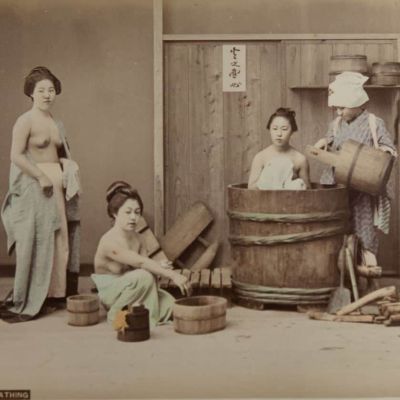
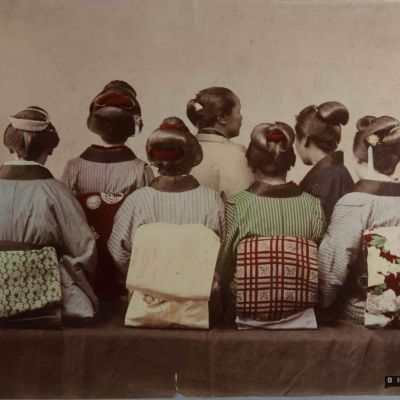
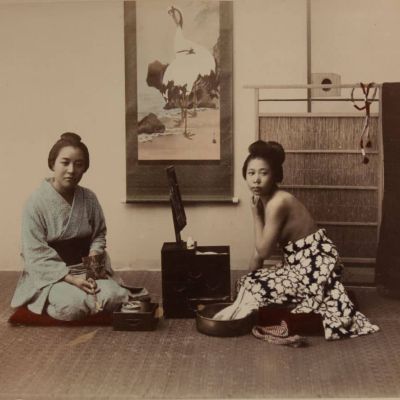
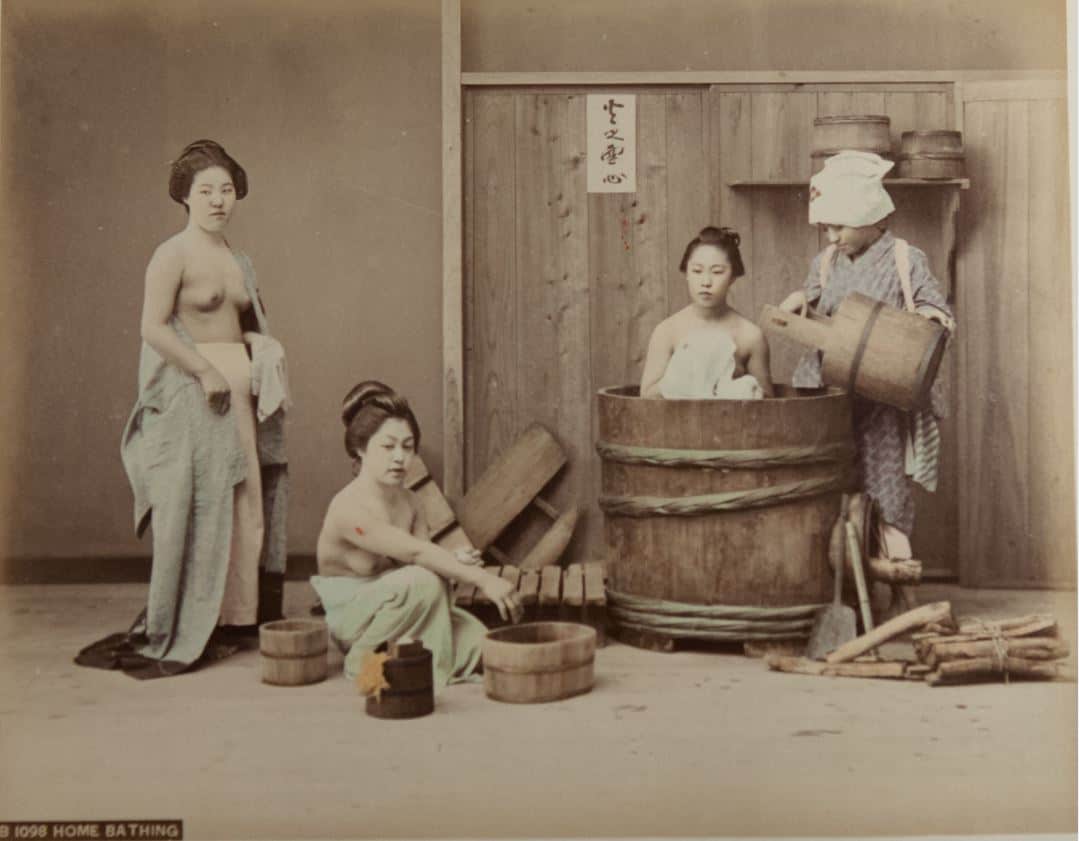
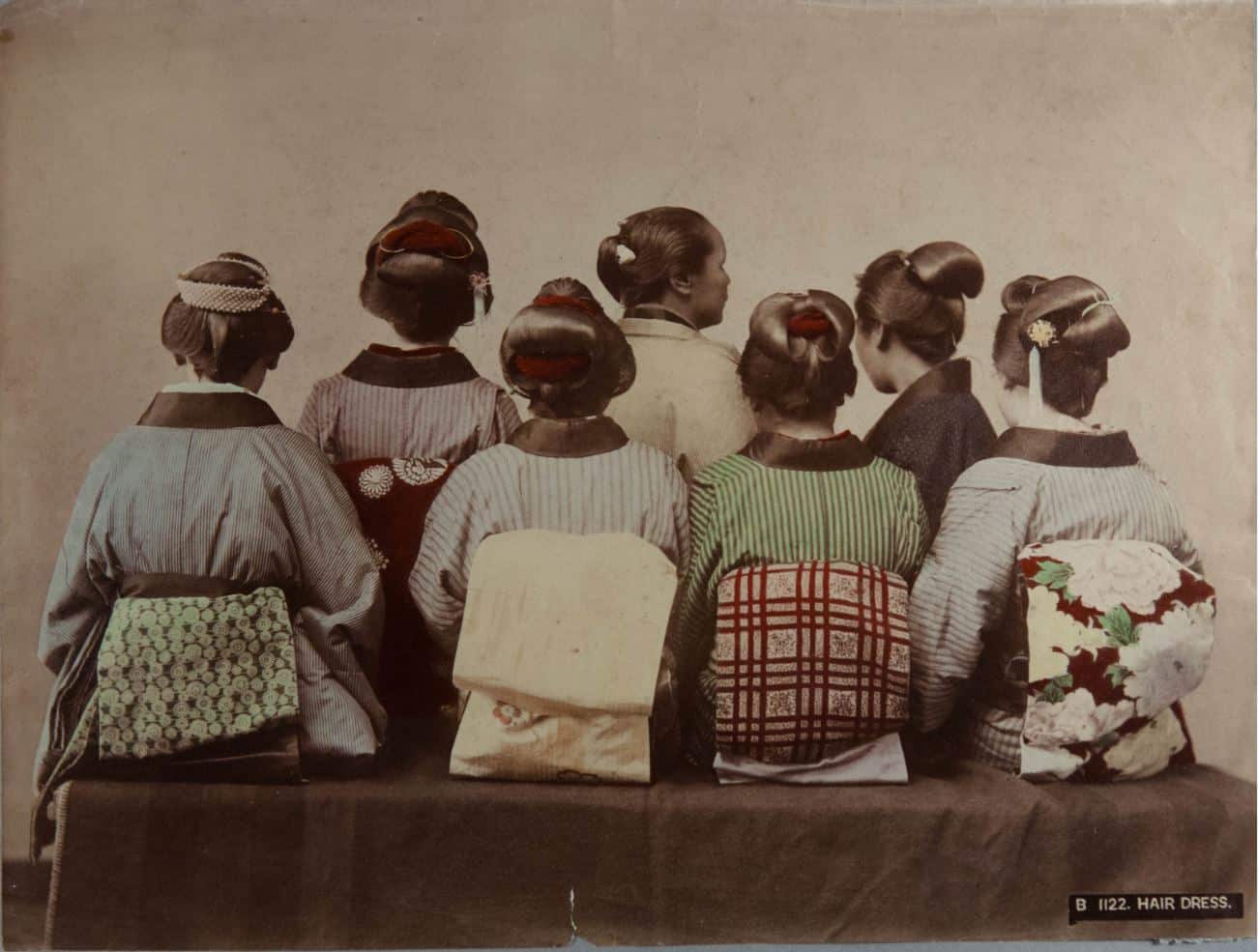
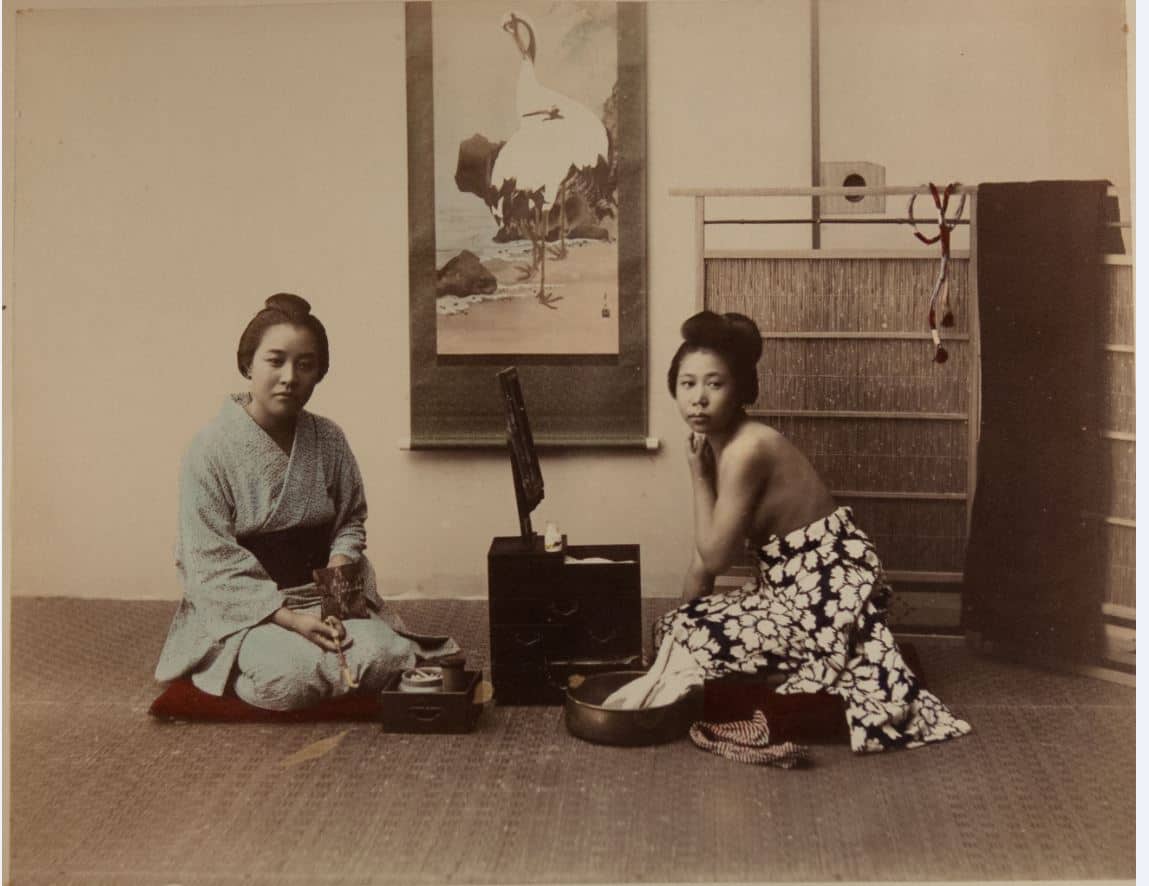
With this exhibition, MUSEC reaches 75 temporary exhibitions since 2006 (the year of its relaunch) to date. An important number that speaks of more than 8 temporary exhibitions per year, in 36 locations in 22 different European cities, in Switzerland, Italy, France and Denmark. MUSEC thus confirms itself as a centre of cultural production on a European level. In the exhibition at the Pinacothèque de Paris, for the first time, traditional works from the Edo period are organically compared with the photographs of the Yokohama School and, above all, with the erotic drawings (hentai) and contemporary art works of erotic and pornographic inspiration that are their direct artistic and cultural continuation. The exhibition that opened in Paris on 5 November 2014, in the presence of the Swiss ambassador to France, Bernardino Regazzoni from Lugano, is one of the largest exhibitions ever held on the subject. On display at the Pinacothèque de Paris are more than 250 works, almost 200 of which come from the MUSEC collections. These include drawings, paintings, woodcut prints, hand-coloured 19th century photographs and works of applied art that will allow the general public to be presented with the world of Japanese art and culture, from the 17th century to the present day, from the point of view of the depiction of the ideal of female beauty, erotic imagery and lifestyle habits. Curator of the exhibition is Francesco Paolo Campione, director of MUSEC. Artistic director is Marc Restellini, director of the Pinacothèque de Paris.
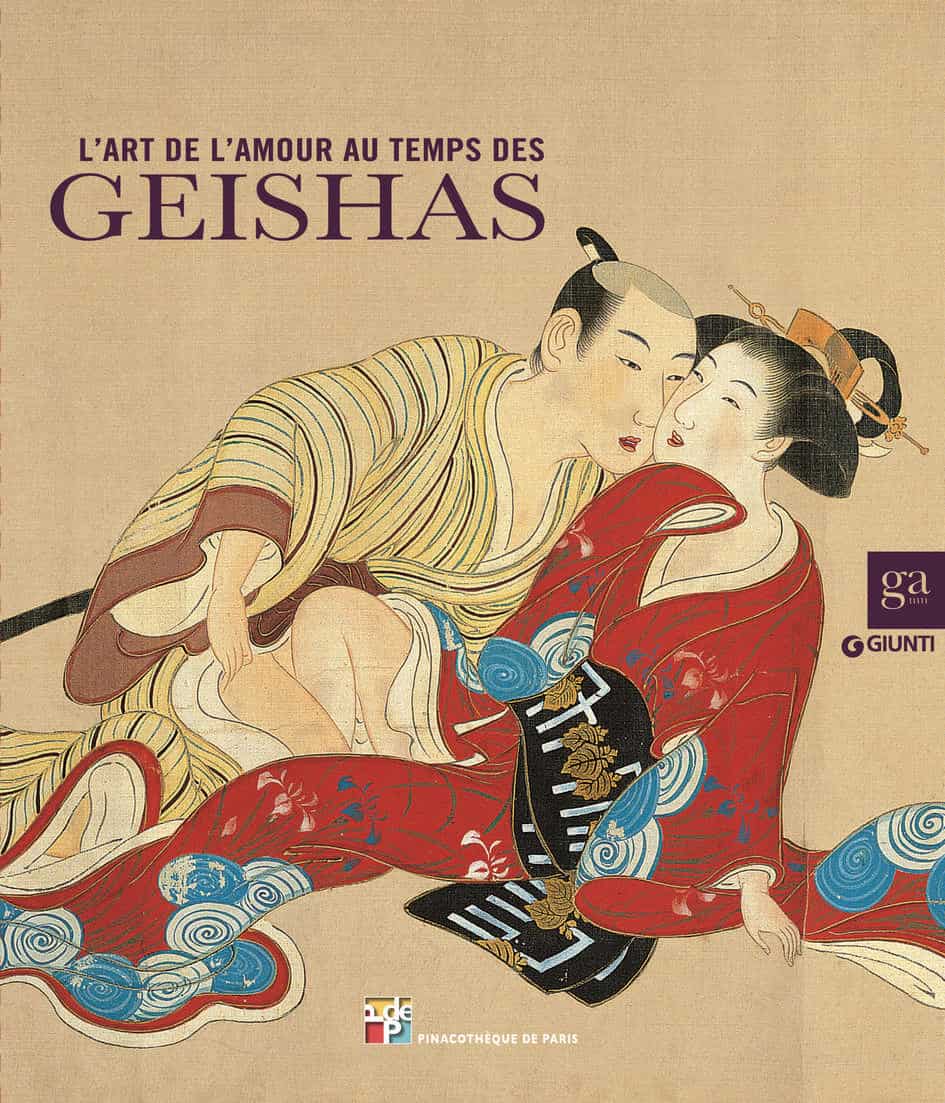
The exhibition, conceived and scientifically coordinated by MUSEC, produced by the Pinacothèque de Paris (which also curated the exhibition layout) and organised by GAMM – Giunti Arte Mostre Musei di Firenze, is the result of research, also supported by the “Ceschin Pilone” Foundation of Zurich, conducted by MUSEC and its partners since 2006, and continues the work already begun with the “Shunga” exhibition, realised by MUSEC at the Palazzo Reale in Milan in 2009 and then in Lugano (Heleneum) in 2010. For the first time, traditional works from the Edo period were organically compared, and presented to the public, with the photographs of the Yokohama School and above all with the erotic drawings (hentai) and contemporary artworks of erotic and pornographic inspiration that are their direct artistic and cultural continuation. The 40 works of applied art exhibited as a counterpoint to the MUSEC’s main exhibition come from the Museum of Oriental Art in Turin (as part of the programme agreement signed this year with MUSEC) and the Museum of Oriental Art in Venice.
The Artists
Works by all the major ukiyo-e artists are on display, including: Hishikawa Moronobu, Hosoda Eishi, Isoda Koryūsai, Katsukawa Shunchō, Katsushika Hokusai, Keisai Eisen, Kikugawa Eizan, Kitagawa Utamaro, Kitao Masanobu, Nishikawa Sukenobu, Suzuki Harunobu, Torii Kiyonaga, Utagawa Hiroshige, Utagawa Kunisada and Utagawa Kuniyoshi. Among the photographers: Kusakabe Kimbei, Ogawa Kazumasa and Tamamura Kōzaburō. Among the artists of the Meiji era: Hashiguchi Goyō. Among contemporary mangaka: Maeda Toshio, Dirty Matsumoto and Gengorō Tagame. Among contemporary artists: Aoshima Chiho and Takano Aya.
The ukiyo-e
At the centre of the exhibition is a nucleus of more than 150 prints depicting ‘beautiful women’ (bijinga) and lovers portrayed in a variety of erotic circumstances (shunga). The two genres reached their peak during the Tokugawa shogunate period, between 1603 and 1867. Created using the technique of polychrome woodcuts, they are among the most significant artistic expressions of the famous ukiyo-e (lit. “images of the floating world”) cultural movement. In extreme synthesis, they represent the manifestation of an ethical and aesthetic reflection on the brevity and transitory nature of life, a reflection that expresses – at different levels – the values of the bourgeois class (chōnin) of the large cities, composed of merchants, artisans, doctors, teachers and artists, excluded from political power, but economically flourishing, who affirmed a hedonistic conception of existence, in contrast with the rigid neo-Confucian morality sustained by the warrior class of samurai, who ruled the central government of Japan in those centuries. The chōnin offered an example of a refined life, flaunted luxury, organised parties, frequented theatres, brothels and teahouses: thus, the term ukiyo-e, which designates art inspired by such a lifestyle, became synonymous with ‘modern’, ‘fashionable’, and was used to express a sort of philosophy centred on the taste for a pleasant existence and, as far as possible, fulfilling personal desires.
Bijinga and shunga
Bijinga and shunga are simple, but not poor compositions. Their ‘simplicity’ is the result of the profound search for a formal association that goes as far as schematism, even though – it should be emphasised – in the pictorial gesture or the burin, there is never any technicality or artful rarefaction, but rather the fullness without rethinking of an idea that has matured for a long time before becoming form: These are – for example – Utamaro’s ōkubie, the “images with the big neck”, through which the face seems to actually take flight from the body, transcending its materiality to place itself almost on a spiritual level, or the dramatic compositions with their daring contrasts, through which the masters of the last phase of the shunga genre, anthropomorphise the manifestations of nature, empathically bringing the onlooker closer to the profound sense of the great determinisms, otherwise unspeakable in their atmospheric and speculative immensity.
Eroticism as a primary manifestation of culture
Shunga, more specifically, together with Indian statuary of the 10th-12th centuries, constitute the most accomplished artistic manifestation of an ideological programme that, through eroticism and sexuality, expresses the profound values of a culture. Overcoming the prohibitions and obstacles of political power, shunga established themselves as an important part of the production of the major artists of the time and were highly appreciated by their contemporaries, both as individual prints and as illustrations for erotic tales and manuals (shunpon) intended for the education of young brides and courtesans.
Japaneseism
Secretly collected in Europe from the second half of the 19th century, after Japan was forced to open its islands to foreign ships and trade with the western world, shunga were a direct inspiration for writers and artists of the stature of Zola, Klimt and Van Gogh, and had a significant influence on artistic reflection in the sphere of Orientalism in the late nineteenth and early twentieth centuries.