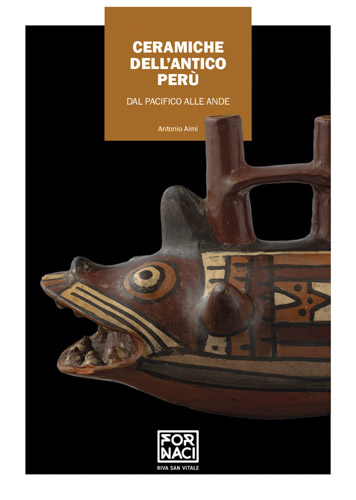

RIVA SAN VITALE PALAZZO COMUNALE
19 SEPTEMBER – 6 DECEMBER 2026
The art of ancient Peru takes centre stage in Riva San Vitale. The Town Hall of this splendid town overlooking the shores of Lake Ceresio is hosting ‘Ceramics of Ancient Peru: From the Pacific to the Andes’, an exhibition organised by the Le Fornaci Foundation of Riva San Vitale and conceived by MUSEC – the Museum of Cultures in Lugano. The exhibition, curated by Antonio Aimi, former professor of Pre-Columbian Civilisations at the University of Milan and scientific collaborator at MUSEC, is organised under the patronage of the Municipality of Riva San Vitale and will be on display in the historic rooms of the Palazzo Comunale until 6 December 2026.
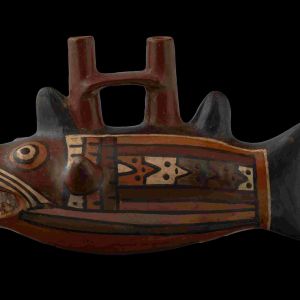
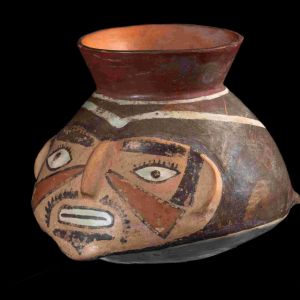
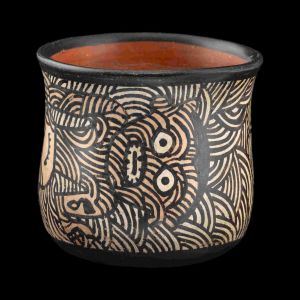
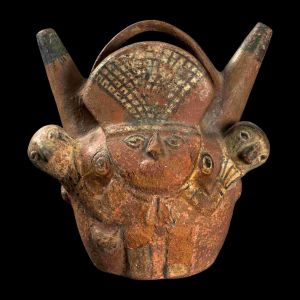
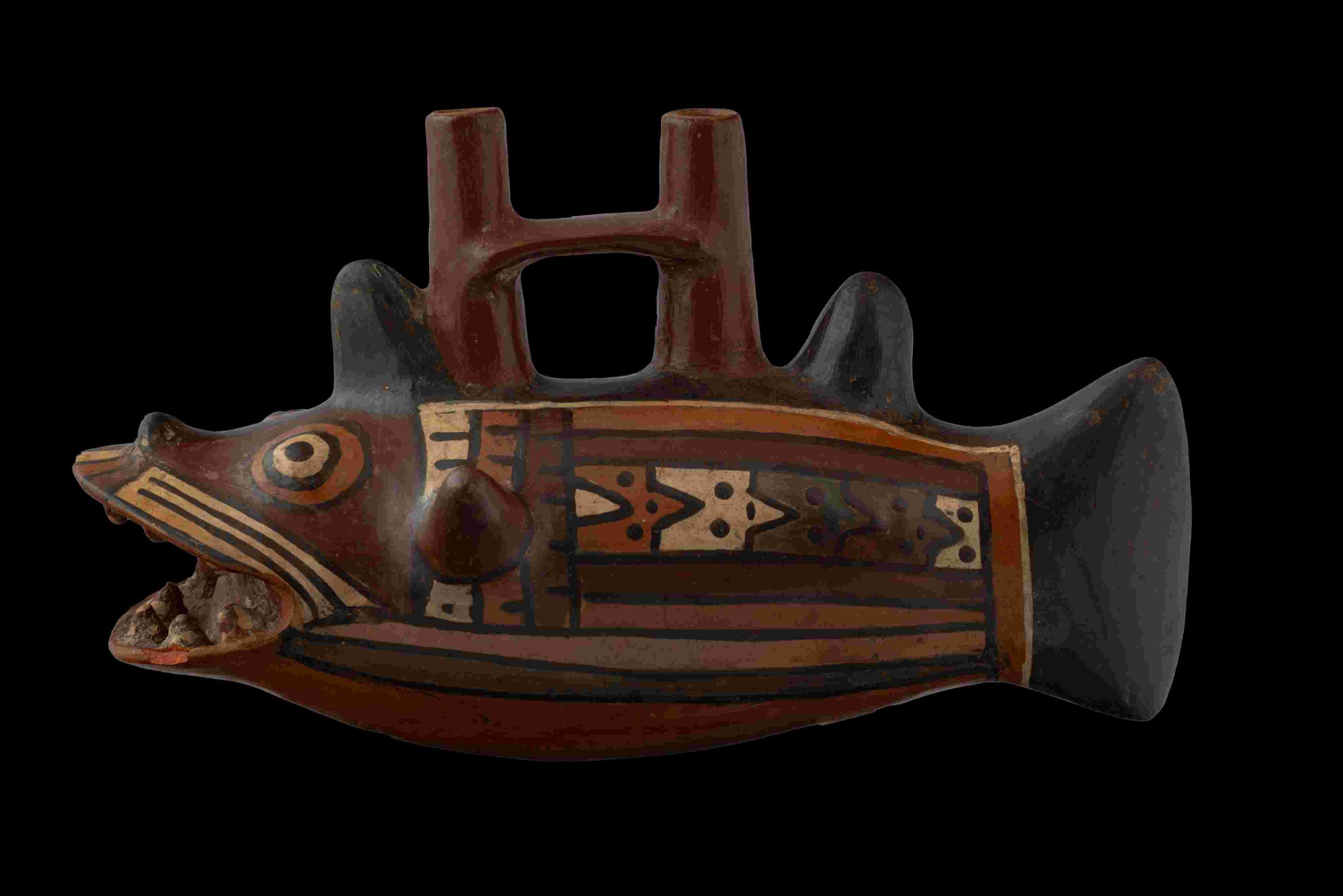
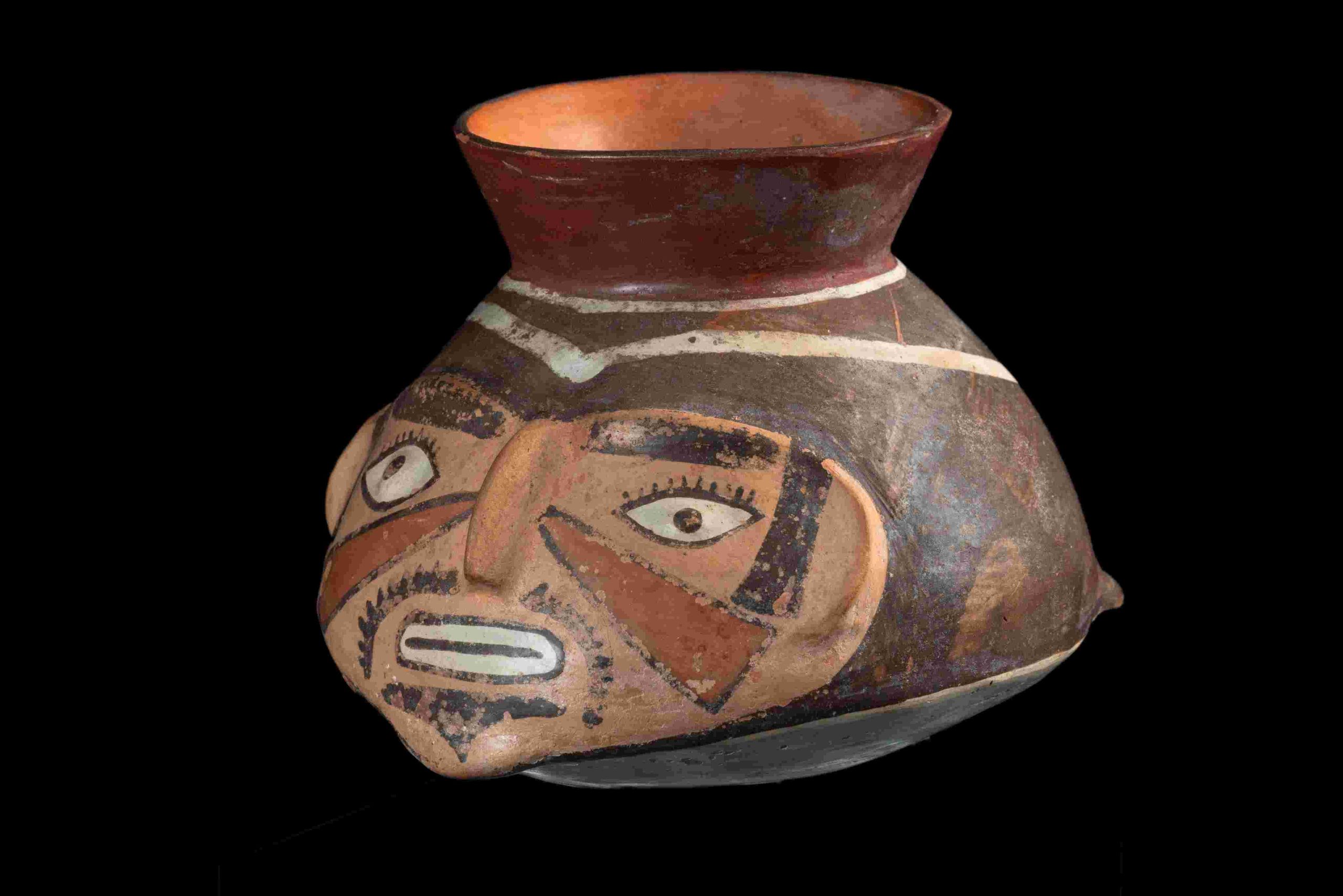
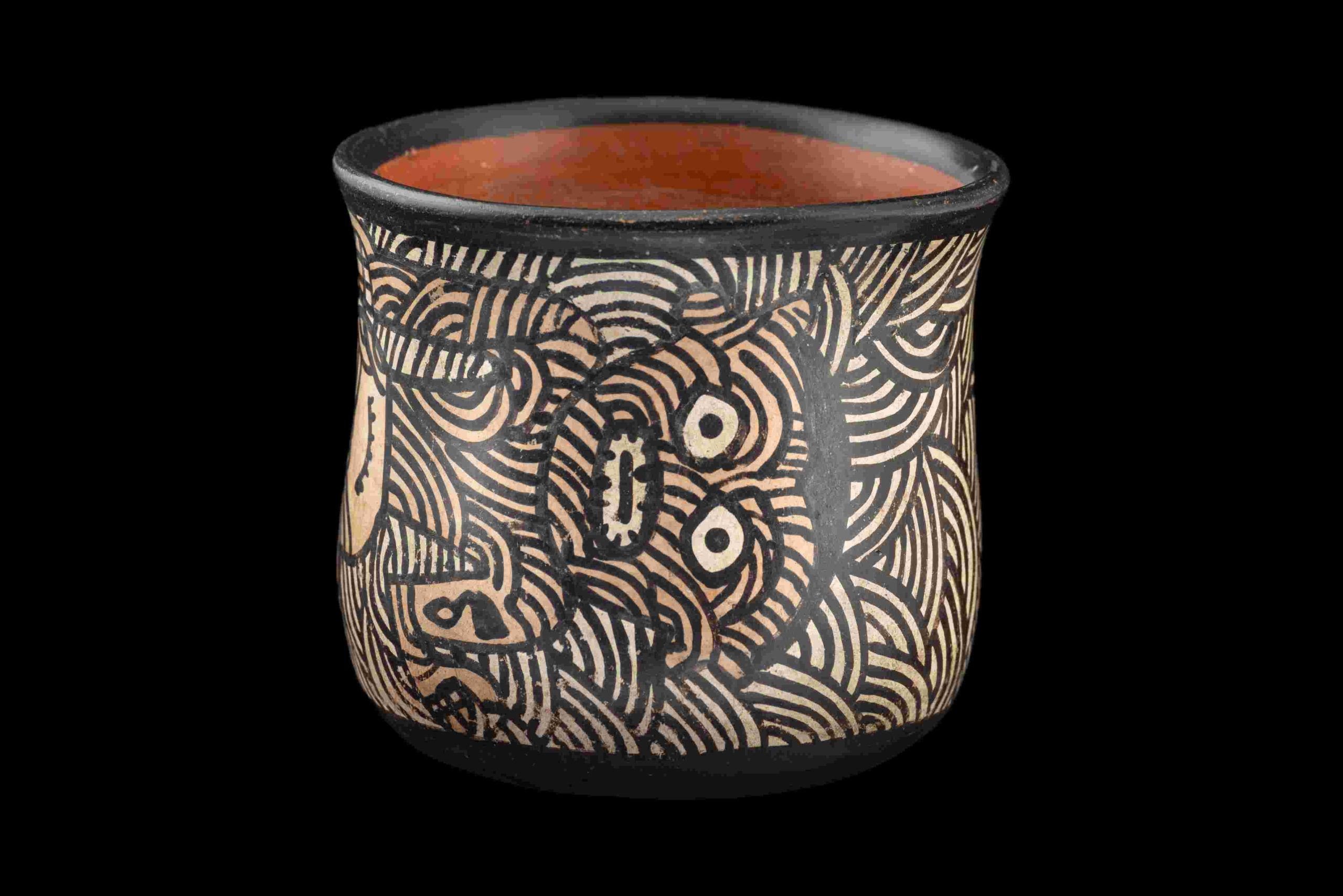
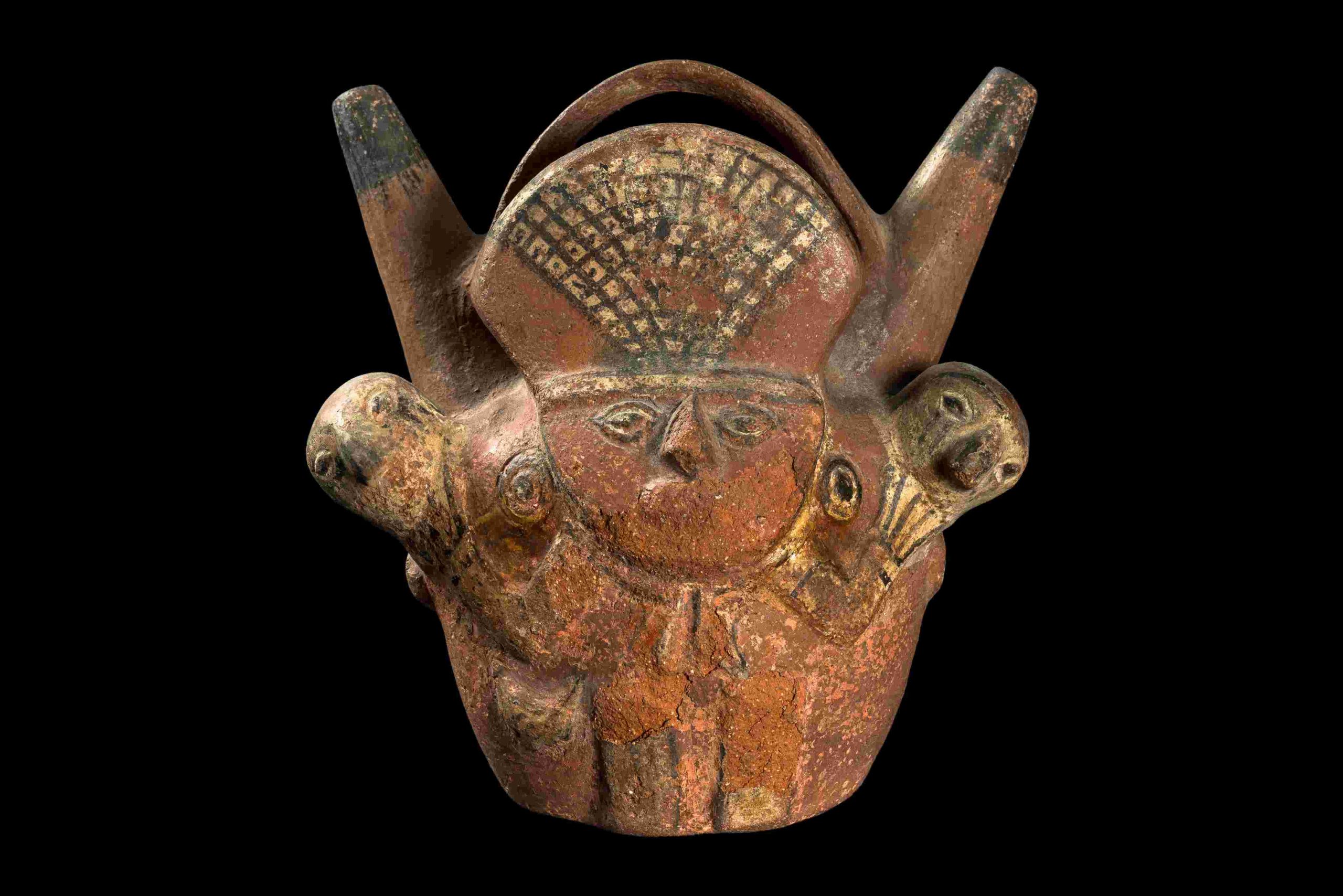
The exhibition brings together 65 works from MUSEC’s pre-Columbian art collections. Originating from the great civilisations that flourished between the Pacific coast and the Andes between 1800 BC and 1532 AD – the year of the Spanish conquest – they offer a wide and diverse audience the opportunity to discover one of the most important ceramic traditions of the pre-Columbian world.
As curator Antonio Aimi emphasises, the exhibition was conceived with the aim of offering an up-to-date and informed interpretation of one of the most extraordinary artistic traditions of the American continent – placing the emphasis not only on the historical and archaeological value of the artefacts, but also on their aesthetic quality, the technical skill and the creative vision of the artists who created them.
In line with the latest research perspectives on pre-Columbian art, the project forms part of a constantly evolving field of study, aimed at recognising the role of the artisans and the distinctiveness of individual works, moving beyond an exclusively archaeological perspective to restore the full artistic value of ceramic production.
The exhibition therefore offers a unique opportunity for learning and discovery: a journey through techniques, styles and artistic languages capable of revealing the complexity of pre-Columbian cultures and their extraordinary visual heritage. Ceramics, with their ability to combine material, technique and creativity, constitute a universal heritage capable of recounting civilisations, traditions and world views, revealing the complexity and richness of the cultures that produced them.
To accompany the exhibition, a catalogue edited by Antonio Aimi will be published (Edizioni Fondazione culture e musei, Lugano).